How to Choose the Ideal Home Builders for Your Custom Residence
Choosing the right home builders for a custom living space requires thoughtful evaluation. It is vital to define personal visions and requirements before starting the search. Potential builders should be examined comprehensively to guarantee alignment with these preferences. However, the process does not stop there. Understanding the intricacies of builder qualifications and communication can substantially impact the overall experience. What steps should one take next to ensure a successful collaboration?
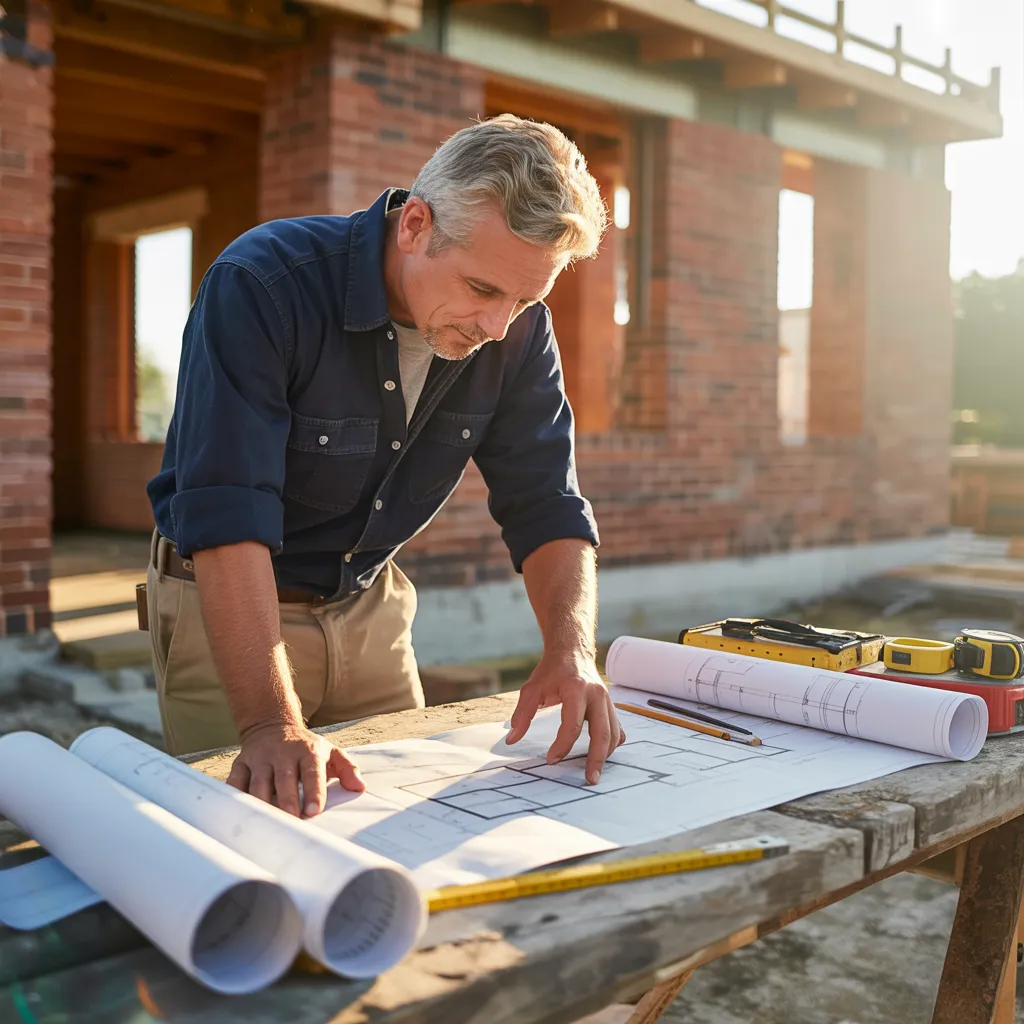
Outline Your Vision and Parameters
Creating a vision and requirements is an crucial first step in the home-building process. This stage involves a thorough reflection on what the homeowner desires in their custom living space. It requires identifying key elements such as the number of bedrooms, layout preferences, and overall architectural style. Homeowners should also evaluate functionality, guaranteeing that the design meets their lifestyle and future needs.
Moreover, determining a budget is crucial, as it influences all subsequent decisions. A distinct vision helps streamline the decision-making process and supports effective communication with builders. Homeowners are urged to imagine their ideal space, perhaps incorporating inspiration from multiple sources like magazines or online platforms. By articulating specific requirements, they can guarantee that their dream home corresponds to their personal tastes and practical requirements. This essential step paves the way for a fulfilling and rewarding home-building journey.
Explore Possible Builders
When homeowners have established their goals and requirements, the next step entails exploring potential builders who can realize their plans. This process commences by obtaining recommendations from family, friends, and digital testimonials, which help to create a shortlist of candidates. Homeowners should review builders' websites to evaluate their portfolios, examining the styles and quality of previous projects. Additionally, social media platforms can provide insights into customer engagement and satisfaction.
It is beneficial to attend local home shows or exhibitions, where builders showcase their work and engage directly with potential clients. Homeowners should also think about joining online forums or community groups dedicated to home building, where they can request opinions and experiences from others. By carefully researching and comparing builders, homeowners can make informed decisions, making sure the selected builder aligns with their specific needs and aesthetic preferences.
Verify Qualifications and Experience
Before engaging with a builder, it is essential for homeowners to verify their credentials and experience to confirm they possess the required qualifications. This process initiates by verifying the builder's licensing and insurance, which assures compliance with local regulations and protects homeowners from potential liabilities. Homeowners should also ask about the builder's years in the industry, as a experienced builder often demonstrates reliability and expertise.
In addition, it is vital to evaluate any relevant certifications or memberships in professional organizations, which can signify a commitment to quality and ongoing education. Homeowners may benefit from examining any disciplinary actions or complaints against the builder, which can provide clarity into their business practices. Assessing a builder's experience with specific types of projects, such as custom homes, can further help homeowners decide if the builder is the right fit for their unique vision and requirements.
Examine Portfolios and Past Projects
A comprehensive review of a builder's portfolio and past projects is essential for homeowners wanting to design a custom living space. This process permits clients to determine the quality of craftsmanship and design versatility that the builder delivers. By analyzing completed projects, homeowners can assess whether the builder's style matches their own vision, whether it be sleek, timeless, or mixed.
In addition, portfolios typically showcase a range of projects, providing insight into the builder's experience with multiple materials and techniques. Homeowners should observe the details in the photographs, such as finishes, layouts, and overall aesthetics. It is also valuable to look for testimonials or case studies that illustrate the builder's ability to satisfy deadlines and budgets. Ultimately, a well-rounded portfolio can serve as a trustworthy indicator of a builder's capability to deliver a custom living space that satisfies the homeowner's expectations.
Assess Communication and Compatibility
How well a builder communicates can substantially affect the success of a custom housing project. Clear communication ensures that the builder fully understands the homeowner's goals, needs, and concerns. This alignment is critical for converting visions into reality and eliminating misunderstandings that can create costly delays.
The compatibility between homeowners and builders is just as crucial. A well-balanced working dynamic encourages trust and cooperation, allowing both parties to navigate challenges more effectively. Homeowners ought to examine whether the builder's ethics, work practices, and strategy align with their vision.
Taking part in open conversations during initial consultations can provide insights into the builder's responsiveness and willingness to listen. Questions about earlier projects and problem-solving strategies can additionally reveal how well the builder adapts to specific situations. In the end, prioritizing communication and compatibility can substantially enhance the total experience and satisfaction with the custom living space journey.
Acquire Detailed Estimates and Agreements
While maneuvering through the process of constructing a custom home, obtaining detailed estimates and contracts is crucial for homeowners. These documents act as the foundation for the complete project, establishing costs, timelines, and specific deliverables. A well-prepared estimate should list expenses for materials, labor, permits, and any additional fees, providing transparency and helping homeowners understand where their money is distributed.
Contracts should clearly define the scope of work, payment schedules, and project milestones, making certain all parties are aligned on expectations. Homeowners should assess these documents carefully, asking questions or seeking clarification where needed. It is also wise to compare estimates from several builders to determine the market rate and avoid potential overpricing. By securing precise, detailed estimates and contracts, homeowners can guard against unexpected costs and misunderstandings, promoting a smoother home-building experience.
Review Feedback and Ask for Recommendations
What influences a homeowner's selection of builder more than firsthand accounts shared by others? Reviewing reviews and seeking recommendations can provide invaluable insights into a builder's trustworthiness, quality of work, and customer service. Homeowners commonly turn to digital platforms, social media, and community forums to collect feedback from earlier clients. Positive reviews can reveal a builder's strengths, while negative reviews may reveal potential challenges.
Furthermore, personal referrals from colleagues, friends, or relatives carry significant weight, as these sources are typically trusted and can provide direct accounts of their experiences. Homeowners should consider not only the number of reviews but also the consistency of the feedback obtained. By assembling information from multiple sources, they can make a better-informed choice, ensuring that the selected builder aligns with their vision and expectations for their custom living space. Eventually, thorough research can produce a more satisfying construction experience.
Common Questions
What Is the Expected Duration of the Custom Home Building Process?
Custom home building commonly takes between 6 months and 2 years, determined by factors like design complexity, building permits, weather conditions, and the builder's schedule, all of which greatly influence the timeline.
Is It Possible to Make Changes During the Building Process?
Modifications can usually be made in the course of the construction process, subject to the builder's guidelines and stage of construction. That said, considerable alterations may incur additional costs and delays, so discussion with the builder is necessary.
What Home Warranties Are Offered by Builders on New Construction?
Builders generally provide warranties on new homes that cover structural issues, craftsmanship, and materials for defined durations. These warranties provide quality assurance and protect homeowners from future complications, varying in duration consult this source and coverage based on builder policies.
How Are Unexpected Issues or Delays Handled by Builders?
Construction professionals usually manage unexpected issues or delays by maintaining prompt communication with clients, examining the situation, and adapting timelines or budgets as required. They frequently implement solutions to minimize disruption and ensure project completion aligns with anticipated outcomes.
What Are the Available Financing Options for Custom Home Projects?
Different financing options for custom home projects include home equity lines of credit, construction loans, personal loans, and traditional mortgages. Each option delivers unique advantages, allowing homeowners to identify the optimal fit for their financial needs.